10 Signs Your Roof Is Solar-Ready
10 Signs Your Roof Is Solar-Ready
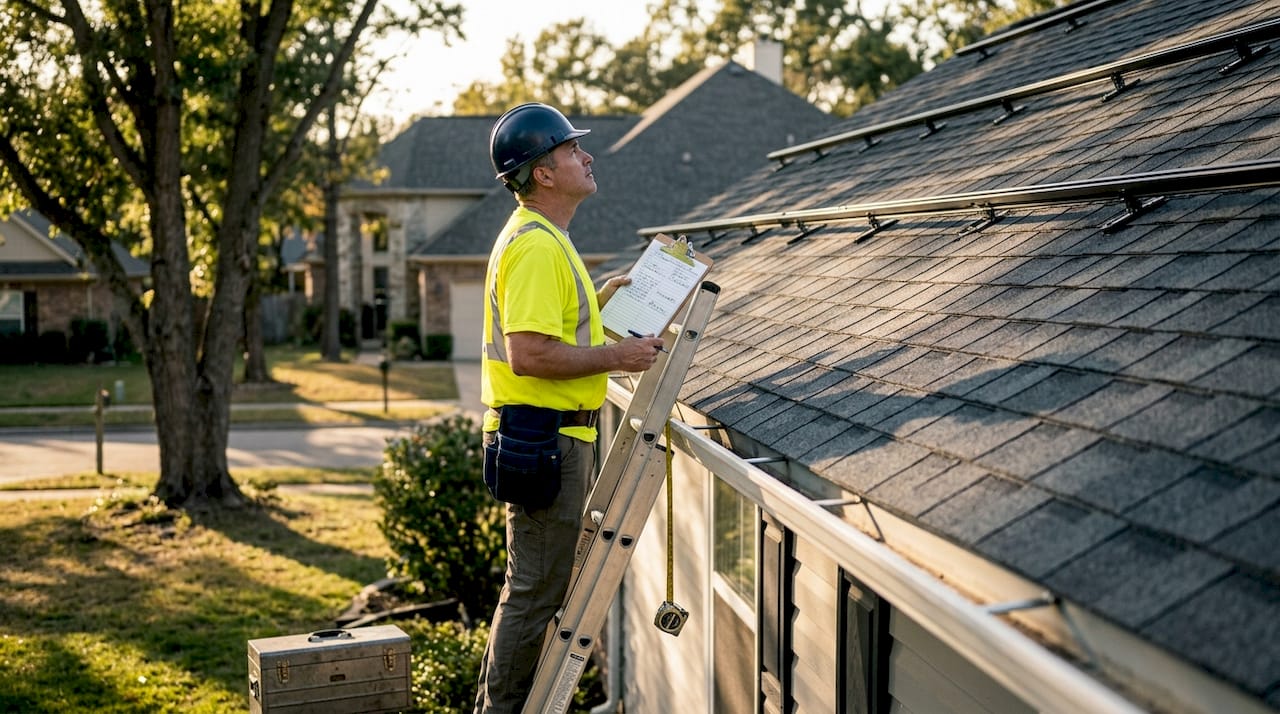
A solar-ready roof is defined by six measurable factors: age, structural condition, orientation, pitch, available space, and shading. Solar panels last 25–30 years, so your roof needs to match that lifespan or the math stops working in your favor. Removing and reinstalling panels for a mid-life roof replacement costs between $3,000 and $5,000 or more. That single number explains why a thorough roof assessment before installation is not optional. The signs your roof is solar-ready are concrete and checkable, and this guide walks through every one of them.
1. Signs your roof is solar-ready start with remaining lifespan
A roof needs at least 20–25 years of useful life remaining to be considered solar-ready. Solar systems are designed to operate for 25–30 years, so a roof with only 8–10 years left creates a guaranteed conflict. You will either pull the panels off early for a re-roof or let a deteriorating roof sit under a working solar system.
The practical check is straightforward. Find out when the roof was installed and what material was used. Asphalt shingles typically last 20–30 years. Tile and metal roofs can last 40–50 years, making them excellent candidates. If your roof is approaching the end of its rated lifespan, replacing it before solar installation is the smarter financial move.
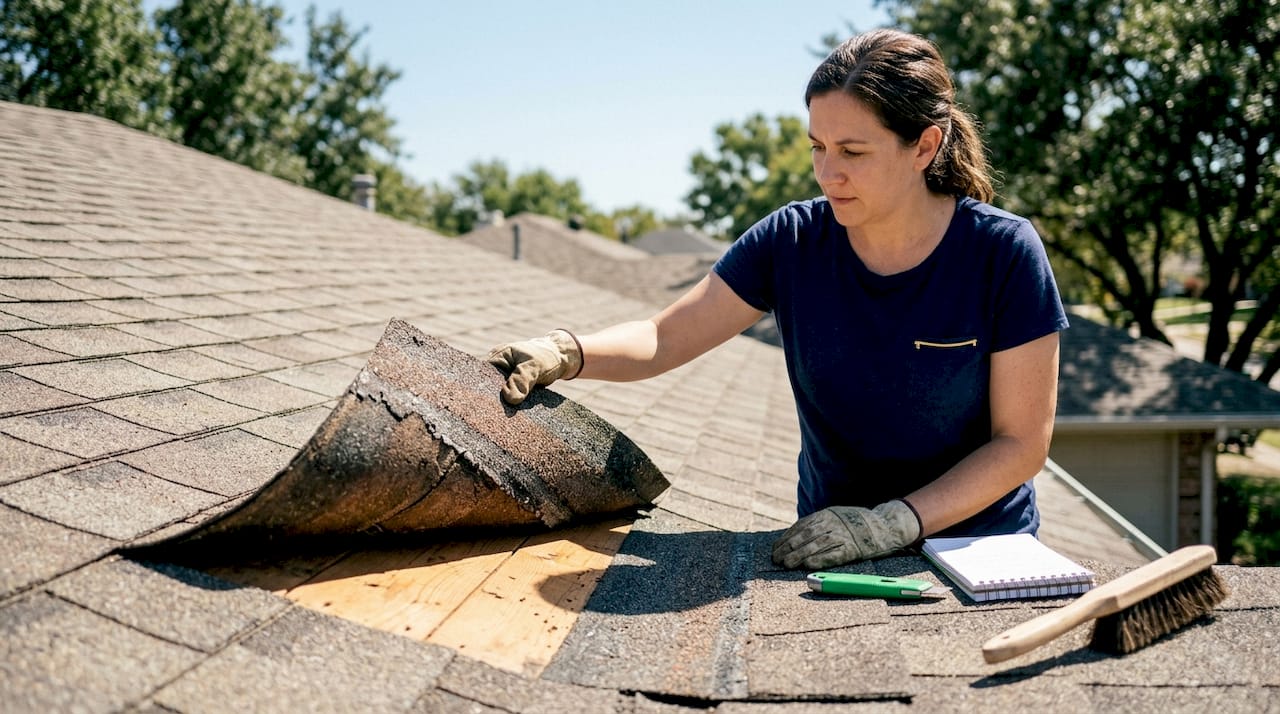
2. No missing, cracked, or curling shingles
Physical shingle condition is the most visible indicator of roof health. Missing shingles expose the decking to water. Cracked or curling shingles signal material breakdown and reduced waterproofing. Either condition means the roof cannot reliably protect your home, let alone support a solar array for the next two decades.
Walk the perimeter of your home and look at the roofline from ground level. Check gutters for granule buildup, which signals shingle deterioration. Any soft spots you notice when walking on the roof point to deeper structural problems that need attention before panels go up.
Pro Tip: Schedule a professional roofing inspection before your solar consultation. A written report gives your solar installer the information they need to design a system that fits your actual roof condition, not an assumed one.
3. No multiple shingle layers
Multiple layers of shingles disqualify most roofs from solar installation outright. Racking systems anchor into the roof decking through the shingles. When two or more shingle layers exist, the anchors cannot reach the decking securely, and the installation becomes structurally unreliable.
Many installers require a full tear-off before they will proceed. That adds cost and time, but it also creates an opportunity. Coordinating a roof and solar installation at the same time reduces labor costs and eliminates the need to remove panels later for roofing work.
4. Sound roof decking beneath the surface
Surface shingles can look fine while the decking underneath is rotting. Soft or water-damaged decking makes a roof structurally unfit for solar mounting, and a standard exterior inspection will not catch it. Solar installation involves walking on the roof and applying concentrated weight at anchor points, which can cause structural failure if the decking is compromised.
A professional attic inspection is the only reliable way to confirm decking condition. An inspector checks for moisture staining, soft spots, and signs of previous leaks. This step is frequently skipped by homeowners who assume the roof looks fine from the outside.
5. South, east, or west-facing roof surface
Roof orientation directly determines how much energy your solar system produces. South-facing roofs produce the most energy in the United States because they receive the most direct sunlight throughout the day. East or west-facing roofs are viable, producing roughly 10–20% less energy than a south-facing surface. North-facing roofs are generally unsuitable because they receive the least direct sunlight and produce significantly lower yields.
Most San Diego homes have at least one south, east, or west-facing roof plane. A solar installer can evaluate which surface maximizes your production based on your specific roof layout and energy goals.
Pro Tip: If your primary roof plane faces east or west, a battery storage system like the Tesla Powerwall or Enphase IQ battery can offset the reduced production by storing energy during peak hours and releasing it when rates are highest.
6. Roof pitch between 15 and 40 degrees
The optimal pitch for solar panels falls between 15 and 40 degrees. Within that range, panels shed rain and debris naturally, stay cleaner, and capture sunlight at an efficient angle. Roofs outside that range are not automatic disqualifiers, but they require additional planning.
| Pitch type | Solar suitability | Notes |
|---|---|---|
| 15–40 degrees | Ideal | Best energy capture and self-cleaning |
| Flat (0–14 degrees) | Viable | Requires tilt-racking to achieve optimal angle |
| Very steep (40+ degrees) | Challenging | Installation is more complex and costly |
Flat roofs can absolutely support solar panels using tilt-rack systems that angle the panels at the correct pitch. Very steep slopes create installation safety challenges and may reduce the number of panels that fit. San Diego Solar’s engineering team evaluates pitch as part of every custom system design.
7. At least 300–400 square feet of clear roof space
A typical 6 kW solar system requires approximately 300–400 square feet of clear, unobstructed roof space. That is the baseline for a system sized to cover most of an average household’s energy use. Smaller roofs can still support solar, but the system size and expected output will be proportionally reduced.
Obstructions reduce usable area significantly. Common culprits include:
- Chimneys and flues
- Skylights and roof windows
- HVAC equipment and vents
- Satellite dishes and antennas
- Dormers and architectural features
Understanding roof clearance requirements helps you estimate how many panels will realistically fit before you get a formal quote. A satellite image combined with a professional site visit gives the most accurate picture.
8. Minimal shading during peak sun hours
Shading between 9 AM and 3 PM has the greatest impact on solar output because those hours represent peak sun intensity. Trees, neighboring buildings, and rooftop equipment all cast shadows that reduce production. Evaluating shading at those specific hours gives you a realistic picture of your roof’s solar potential.
Modern microinverter technology changes the shading equation significantly. Each panel operates independently, so a shadow on one panel does not drag down the entire system the way it did with older string inverter setups. Partial shading is no longer a deal-breaker for most roofs. Enphase IQ microinverters, for example, allow each panel to produce at its individual maximum regardless of what neighboring panels are doing.
A professional shade analysis using PV modeling software or drone-based tools can quantify shading impact and calculate your roof’s total solar resource fraction. That number tells you exactly how much of the available sunlight your roof can actually capture.
9. No problematic nearby trees or structures
Nearby trees and neighboring buildings affect long-term solar output, not just current shading. A tree that casts no shadow today may grow to shade your roof within five years. A neighboring property with a planned addition could block your southern exposure. These factors belong in any honest roof assessment for solar energy.
Evaluating the surrounding environment is part of a complete solar readiness check. Consider the growth rate of nearby trees and whether trimming or removal is feasible. Check local zoning for any planned construction nearby. San Diego’s coastal communities, in particular, have mature tree canopies that deserve careful analysis before committing to a system size.
10. Structural capacity to handle panel weight
Solar panels add meaningful weight to a roof structure. Homes older than 20 years may need a structural engineer to verify that the trusses and framing can handle the additional load. This is especially relevant in areas with high wind exposure, which includes most of San Diego County’s coastal neighborhoods.
A structural assessment is not a sign of a bad roof. It is a sign of a thorough process. The assessment confirms that your home can safely support the system for its full 25–30 year lifespan. San Diego Solar coordinates this evaluation as part of its custom design process, so homeowners do not have to manage it separately.
Key takeaways
A roof is solar-ready when it has sufficient remaining lifespan, sound structure, favorable orientation, adequate space, and minimal shading. Each factor directly affects how long your system performs and how much it saves.
| Point | Details |
|---|---|
| Lifespan match | Your roof needs 20–25 years of remaining life to align with a solar system’s 25–30 year lifespan. |
| Structural soundness | Soft decking, multiple shingle layers, and old framing must be resolved before installation. |
| Orientation and pitch | South-facing roofs at 15–40 degrees produce the most energy; east and west are viable alternatives. |
| Space and shading | A 6 kW system needs 300–400 sq ft of clear space; microinverters reduce the impact of partial shade. |
| Professional assessment | Written inspections from both roofing and solar professionals protect your investment and warranty. |
What I’ve learned from 30 years of roof and solar assessments
Most homeowners focus on the wrong thing first. They want to know how many panels fit and what the bill savings will be. Those are the right questions, but they are the second questions. The first question is whether the roof can actually support a solar system for the next 25 years without requiring a disruptive and expensive mid-life intervention.
The roofs that cause problems are rarely the ones that look obviously bad. They are the ones that look passable from the street but have soft decking in one corner, or two layers of shingles that nobody mentioned, or a 15-year-old surface that has maybe 7 years left. I have seen homeowners install solar on roofs like that and then face a $4,000 panel removal bill three years later when the roof finally gave out.
My advice is to get two opinions before you commit: one from a licensed roofer and one from your solar installer. Ask both for written documentation. A roofer who has never worked alongside a solar crew may miss installation-specific concerns. A solar installer who skips the roofing conversation is cutting corners that will cost you later.
The written roof inspection report also matters for your homeowners insurance. Insurers increasingly want documentation that a roof was in sound condition at the time of solar installation. That paperwork protects you if a claim arises years down the road.
The homeowners who get the best outcomes are the ones who stay engaged throughout the planning process. Ask questions. Request the structural assessment in writing. Confirm the decking condition before the crew shows up. The solar system itself is the easy part. The roof is where the real due diligence happens.
— Curtis Williamson
San Diego Solar’s roof and solar readiness process
San Diego Solar has been evaluating San Diego roofs for solar compatibility since 1996. Every project starts with a site assessment that covers roof age, condition, orientation, pitch, shading, and structural capacity. Nothing is assumed.
The in-house engineering team designs every system around your specific roof, not a template. San Diego Solar also offers solar roofing packages that coordinate roof replacement and solar installation in a single project, eliminating the cost and disruption of doing them separately. The company handles all permitting, SDG&E interconnection, and HOA approvals. For homeowners ready to find out exactly what their roof can support, a free residential solar consultation is the logical next step.
FAQ
How do I know if my roof is too old for solar?
A roof with fewer than 20 years of remaining useful life is generally not solar-ready. Replacing it before installation avoids the $3,000–$5,000 cost of removing and reinstalling panels for a future re-roof.
Does roof orientation matter for solar panels?
Yes. South-facing roofs produce the most energy in the US. East and west-facing roofs are viable but produce roughly 10–20% less. North-facing roofs are generally unsuitable for solar installation.
Can a shaded roof still support solar panels?
Partial shading is manageable with microinverter technology, which allows each panel to operate independently. A professional shade analysis quantifies the impact and helps size the system correctly.
What roof pitch works best for solar panels?
The optimal pitch is between 15 and 40 degrees. Flat roofs can use tilt-racking systems to achieve the correct angle. Very steep roofs present installation challenges but are not automatic disqualifiers.
Do I need a structural engineer before installing solar?
Homes older than 20 years often benefit from a structural assessment to confirm the framing can handle panel weight. San Diego Solar includes this evaluation as part of its standard design process.